
Carl Zeiss Biotar 58mm f2
Published
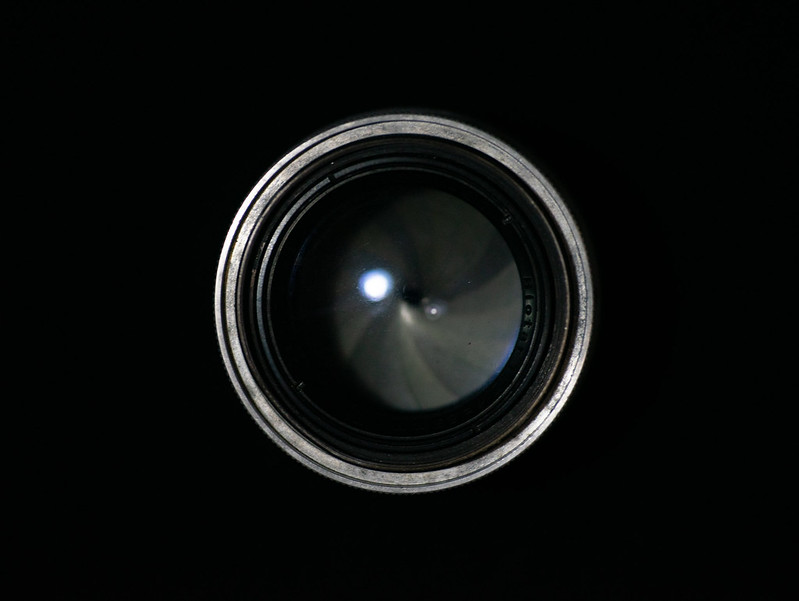
- Mount
- M42
- Focal length
- 58 mm
- Max aperture
- 2
- Minimum focus
- 0.8 m
- Filter size
- 49 mm
- Weight
- half a Helios 44-2
- Coating
- MC
- Type
- Prime
- Year
- 1949 (?)
Lens story
One of the first old lenses I used was a Helios 44M-4. (Surprising, isn't it? It's cheap and you can find it everywhere.) I read about Russian lenses, WWII, and, inevitably, the Biotar optical scheme. I knew I was bound to try a Biotar at one point, but I just kept an eye out in case one came up. Last summer I took a trip to the seaside and visited a very touristy town that has 7 antique stores. (One owner even drew a map for me so I could visit all of them! How kind!) There wasn't anything of much interest, until the last one, where I stumbled upon a Contax D with the Biotar in this review. It had fungus and a lot of small scratches.
In the past I had tried to clean lens fungus to no avail, but I had just read some rather curious advice in a Facebook group I was added to, and tried again. It cleaned really well!
The weird thing about my copy is that the white paint on the lettering has fallen off, so it's all black. As far as I know, from researching and asking around, it wasn't manufactured this way.
Now let's see where the plentiful Helios gets its ancestry from.
Handling
This lens is really tiny for a 58mm f2 lens. The Russian factories might've borrowed the optical scheme, but left behind the elegant and slim design. It's a preset lens, with no second ring to limit how far you close the aperture, though. The only downside in terms of handling is the fairly small focus ring.
Optical performance
For a lens made in 1949, I expected a lot less. It's the typical story of two lenses: one wide open, and a different one stopped down. Chromatic aberrations aren't that well controlled, and, curiously, the swirly bokeh the optical scheme is known for isn't as easy to get as with, say, a Helios 44-2.
Colors are on the warm side, with blues rendered beautifully. (This is the second Carl Zeiss lens that calms my soul with its blue hues.)
Center sharpness is good even wide open, with the corners improving in leaps as you stop down. I had no trouble using this lens for landscapes.
Colors are splendid overall, and work really well in black and white.
Final thoughts
This lens really surprised me. I expected poor results. Build quality is what you'd expect of Carl Zeiss, but the lack of swirly bokeh had me a bit down for a bit. This is a nice lens. It's easy to use and produces "different", but still very good, results. It's not easy to find, and its price tag is higher than a typical fast 50mm, so unless you're a fan of Carl Zeiss or are itching to try the original Biotar, I'd suggest passing it up.